Food allergies and sensitivities in dogs can cause discomfort ranging from mild irritation to severe reactions that significantly impact quality of life. Unfortunately, these allergies are often misidentified or overlooked, leading to unnecessary suffering. Understanding how to recognize and address food allergies can make a tremendous difference in your dog's well-being.
Food Allergies vs. Food Sensitivities
First, it's important to understand the distinction between true food allergies and food sensitivities (or intolerances). A food allergy involves an immune system response, with the body identifying a particular food protein as harmful and mounting an attack. This immune response typically produces symptoms like itching, skin inflammation, and sometimes gastrointestinal issues.
Food sensitivities, on the other hand, don't involve the immune system. They occur when a dog has difficulty processing certain ingredients, leading primarily to digestive symptoms without the skin manifestations. Both can significantly impact your dog's comfort, but they require different approaches.
Common Allergy-Triggering Ingredients
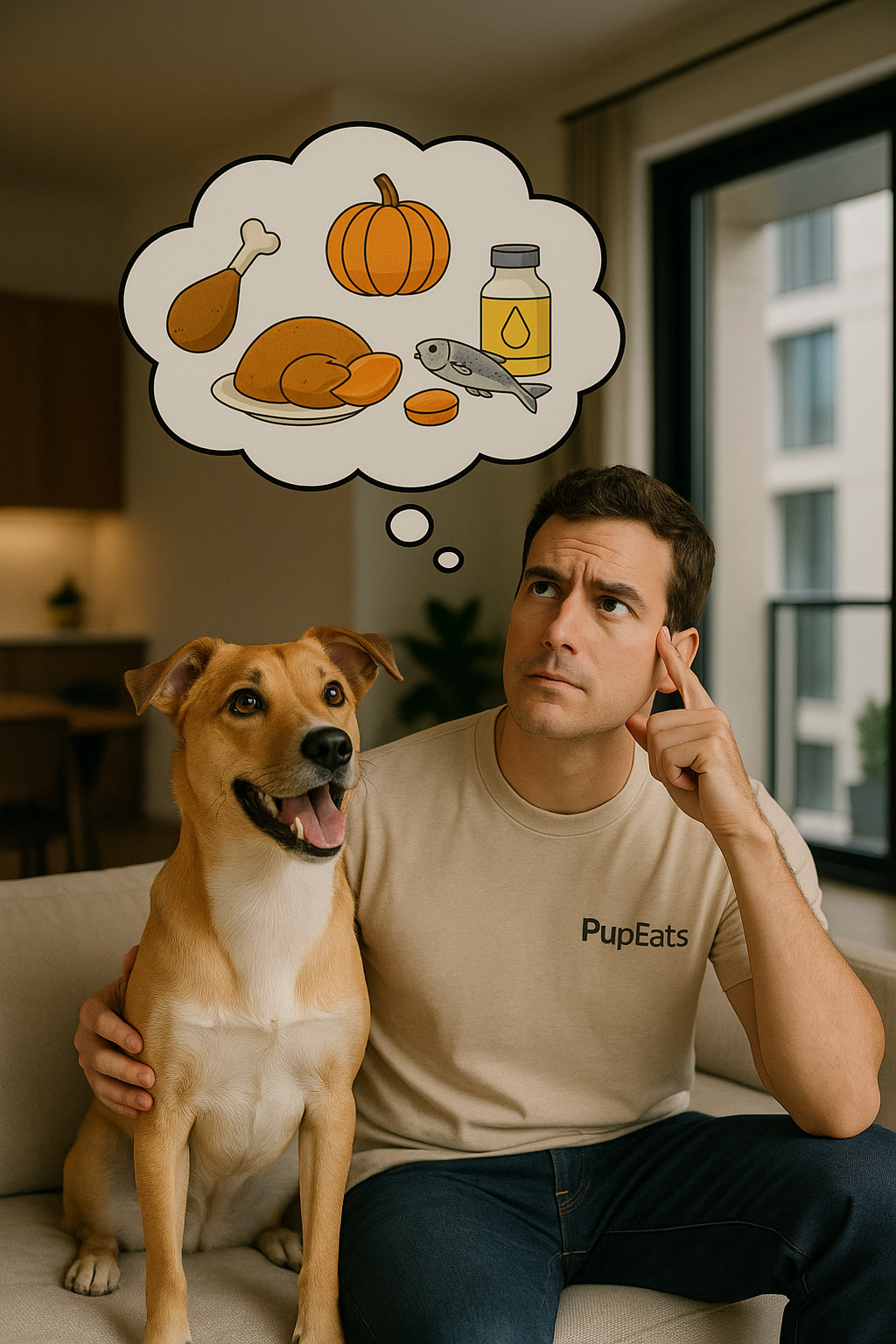
While dogs can develop allergies to almost any protein, certain ingredients trigger reactions more frequently than others. The most common culprits include:
- Beef (the most common food allergen in dogs)
- Dairy products
- Chicken
- Wheat/gluten
- Egg
- Lamb
- Soy
- Pork
- Fish
- Corn
Interestingly, many pet parents assume grains are the primary allergens for dogs, but meat proteins are actually much more common triggers. It's also worth noting that dogs typically become allergic to ingredients they've been exposed to repeatedly over time, rather than new foods.
Recognizing the Signs of Food Allergies
Food allergies can manifest in various ways, but the most common symptoms include:
- Persistent itching, especially of the face, paws, ears, forelegs, armpits, and around the anus
- Recurrent ear infections (particularly yeast infections)
- Chronic paw licking/chewing and inflamed paws
- Skin rashes, hives, or redness
- Hot spots (acute moist dermatitis)
- Gastrointestinal issues like vomiting, diarrhea, or frequent bowel movements
- Chronic anal gland problems
- Excessive scratching leading to hair loss
- Secondary skin infections from constant scratching
A key characteristic of food allergies is their persistence—symptoms typically don't come and go seasonally like environmental allergens but remain consistent as long as the allergenic food is being consumed.
Diagnosing Food Allergies
Unfortunately, there are no reliable blood or skin tests for food allergies in dogs. The gold standard for diagnosis is an elimination diet trial, which typically follows this process:
- The dog is fed a diet containing novel proteins and carbohydrates (ingredients they've never eaten before) or a hydrolyzed diet (where proteins are broken down into pieces too small to trigger an allergic reaction)
- This strict diet is maintained for 8-12 weeks with absolutely no other foods, treats, flavored medications, or chews
- If symptoms resolve during the trial, allergenic foods are reintroduced one at a time to identify specific triggers
- When symptoms return after reintroducing a specific ingredient, an allergy to that ingredient is confirmed
This process requires significant commitment but is the most reliable way to identify specific food allergies. Working with a veterinarian to structure this trial is strongly recommended.
Managing Food Allergies with Fresh Food
Once allergenic ingredients are identified, the management is straightforward: complete avoidance of those items. This is where fresh, limited-ingredient diets like PupEats can be invaluable. Our customizable recipes allow for specific ingredient exclusions while still meeting the nutritional levels established by the AAFCO Dog Food Nutrient Profiles for adult maintenance.
Fresh food diets offer several advantages for dogs with food allergies:
- Transparent ingredient lists with recognizable whole foods
- Ability to avoid common additives and preservatives that may cause reactions
- Higher digestibility, reducing stress on the digestive system
- Limited ingredient options without sacrificing nutritional completeness
- Customization for individual needs and sensitivities
At PupEats, we work with pet parents to create nutritionally complete meals that exclude identified allergens. Our veterinary nutritionists can help formulate recipes that avoid trigger ingredients while still providing all essential nutrients your dog needs to thrive.
Beyond Diet: Supporting Dogs with Food Allergies
While eliminating allergenic foods is the primary treatment, supporting your dog's overall health can help minimize reactions and improve recovery:
- Omega-3 fatty acids can help reduce skin inflammation
- Skin-supporting supplements like biotin may improve coat health
- Probiotics can support gut health and may help modulate immune responses
- Regular bathing with gentle, hypoallergenic shampoos can remove environmental allergens that may compound symptoms
- Maintaining a consistent diet without frequent changes
Remember that multiple allergies can coexist—some dogs have both food and environmental allergies. Working with your veterinarian to develop a comprehensive management plan is important for these complex cases.
By identifying and eliminating food allergens, you can dramatically improve your dog's quality of life. The journey to diagnosis may be challenging, but the relief your dog experiences when no longer constantly itchy or suffering from digestive issues makes the effort worthwhile. With proper management through carefully selected fresh food diets, most dogs with food allergies can lead comfortable, symptom-free lives.